
MCNC History
What started as a state-funded initiative to spark technology-based economic development has grown into something much bigger, a 40-year legacy of connecting North Carolina's schools, hospitals, research institutions, and communities to the infrastructure they need to thrive. This is how we got to where we are today, just wait until you see what comes next.
Innovating for Over 40 Years
1980
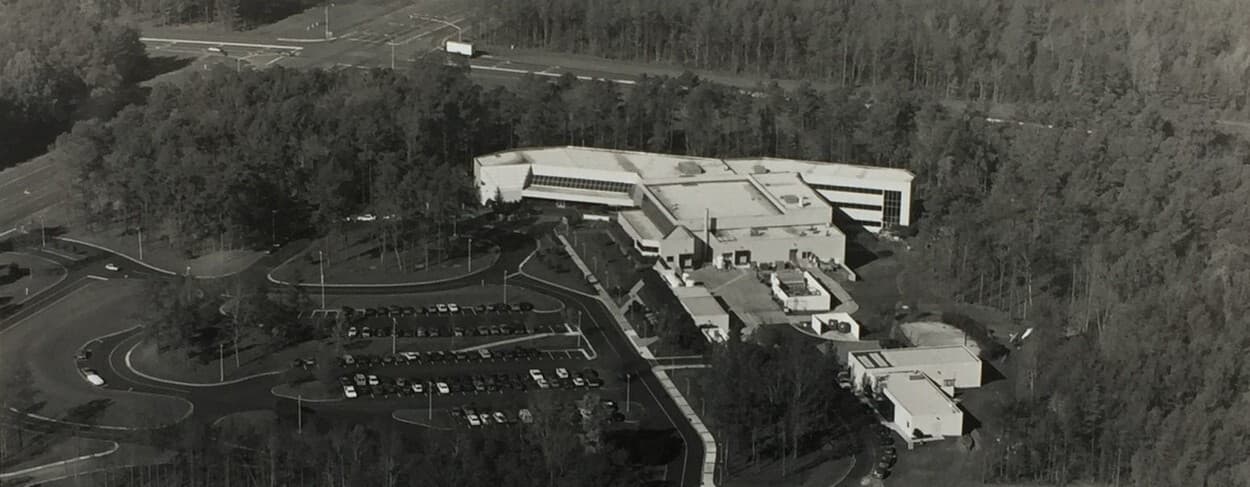
The North Carolina General Assembly funds the Microelectronics Center of North Carolina, establishing it as a catalyst for technology-based economic development across the state.
1985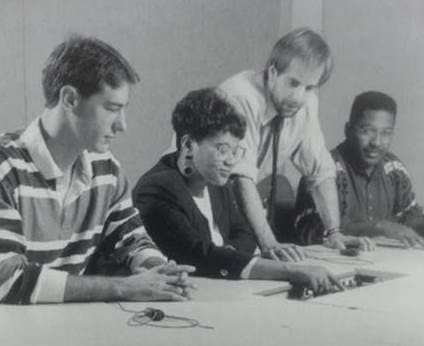
MCNC receives a state mandate to build and operate an advanced communications network — CONCERT, later renamed NCREN. The initial microwave system links NC State, UNC-Chapel Hill, Duke, NC A&T, UNC-Charlotte, the Research Triangle Institute, and MCNC. It becomes the first broadcast-quality, two-way interactive, multipoint video and audio system in the United States.
1990
Vistanet, the first national gigabit test bed, connects 3-D imaging computers at UNC Chapel Hill with supercomputing resources at MCNC to support more effective cancer treatment.
1991
The Vistanet project expands its focus to research in communications, computer science, and the use of supercomputing to support cancer treatment through computer visualization.
1993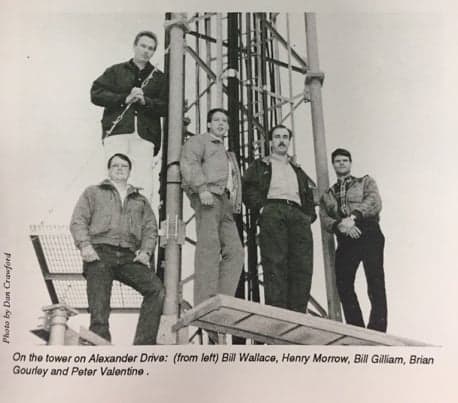
NCREN completes broadband connections to all 18 core network members, combining video and data using digital microwave and broadband ATM technology.
1994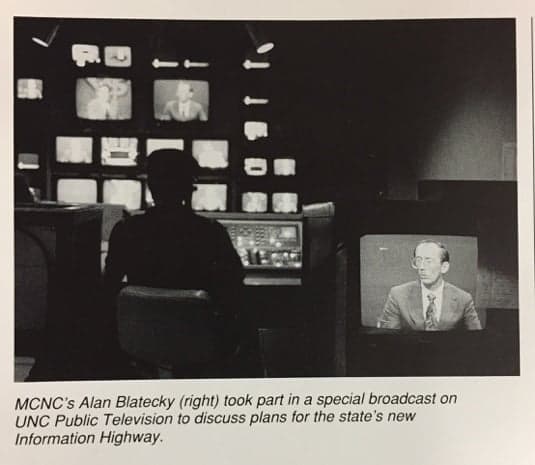
In collaboration with ITS and the service provider community, MCNC becomes the first to deploy high-speed network capabilities to every county through the North Carolina Information Highway.
1995
All 16 UNC system campuses, Duke University, and Wake Forest University gain full access to NCREN's high-quality, two-way interactive video capabilities.
1997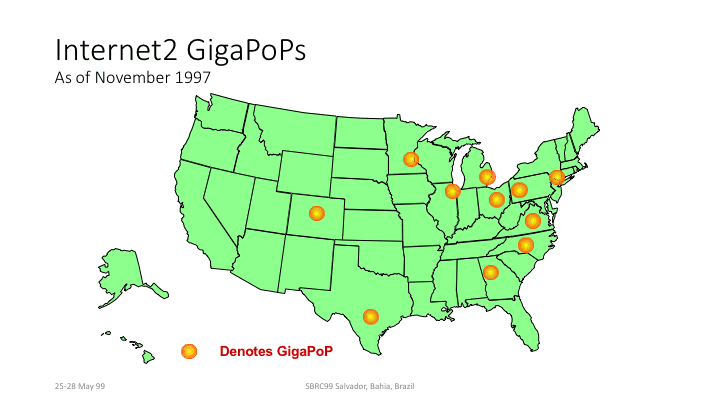
MCNC develops the world's first GigaPOP for Internet2 access, making North Carolina one of the first states in the country to connect to Internet2.
2000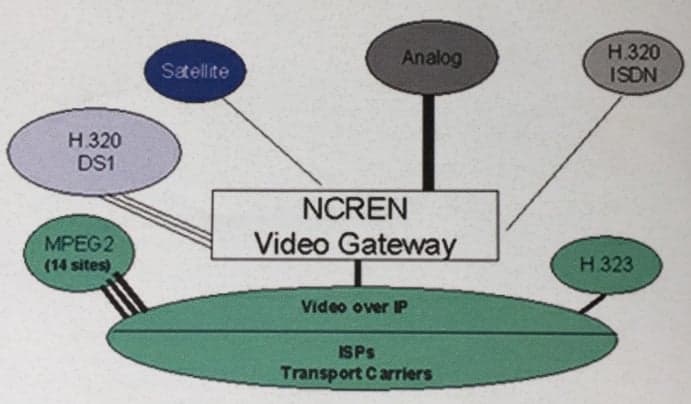
NCREN builds the nation's first near-broadcast quality two-way interactive video system using IP-based technology. MCNC also pledges $30 million to the Rural Internet Access Authority to accelerate high-speed internet access across North Carolina.
2001
North Carolina BioGrid launches one of the nation's first scientific grid computing test beds through a partnership with universities, the NC Biotechnology Center, and private-sector companies using MCNC resources.
2003
MCNC restructures into two companies, separating its research and venture funding activities into MCNC Research and Development Institute (MCNC-RDI).
2005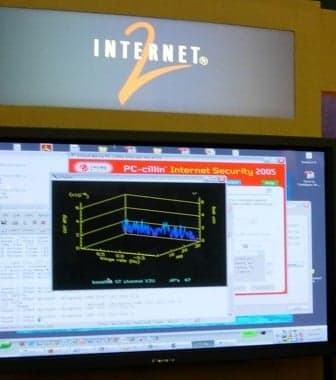
MCNC is selected to lead applications support for Internet2's Hybrid Optical and Packet Infrastructure test bed. NCREN and NC State University are also selected by National Lambda Rail to operate its first national Experiment Support Services.
2006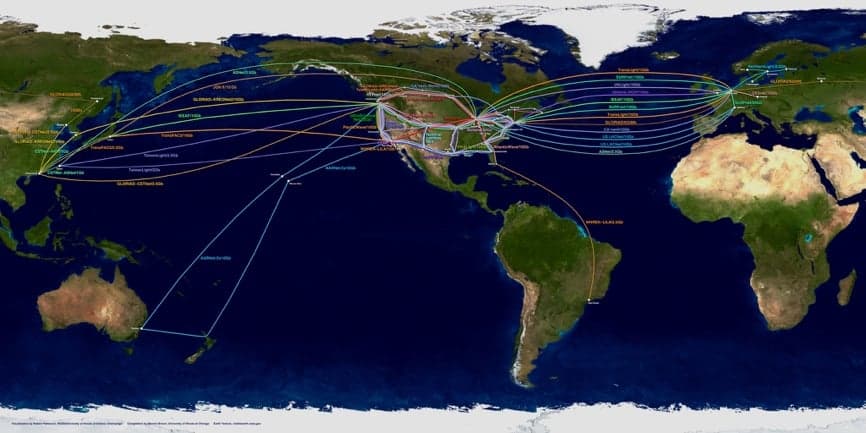
MCNC leads a U.S. consortium for the first international demonstration of integrated computing and network technology as part of the Global Lambda Integrated Facility.
2008
MCNC connects all 115 North Carolina school districts to NCREN at 100Mbps or higher, on time and on budget. The Client Network Engineering team is established to provide dedicated engineering support to the K-12 community.
2009
MCNC celebrates 25 years of the North Carolina Research and Education Network.
2010
MCNC is awarded $144 million through the Broadband Technology Opportunities Program (BTOP), one of the largest investments in broadband infrastructure in North Carolina history, to expand NCREN's reach into 82 of the state's 100 counties. MCNC also partners with NC DIT to provide broadband infrastructure for the North Carolina Telehealth Network.
2011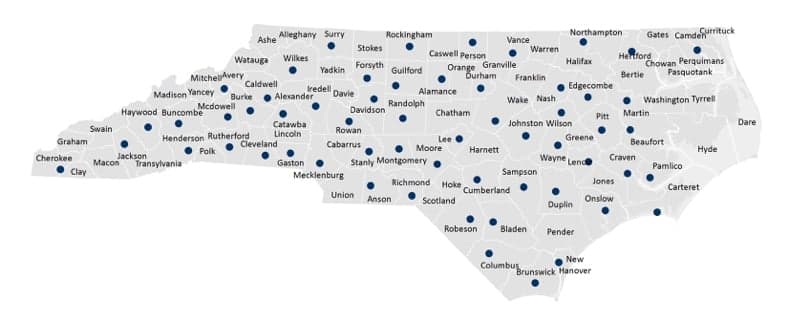
MCNC connects all 58 North Carolina Community College main campuses to NCREN at 100Mbps or higher, on time and on budget.
2012
MCNC completes the first phase of the Golden LEAF Rural Broadband Initiative, operating 957 total miles of fiber, 442 of which were newly constructed.
2013
MCNC completes the second and final phase of the $144 million BTOP expansion, spanning more than 2,600 miles across 82 counties.
2014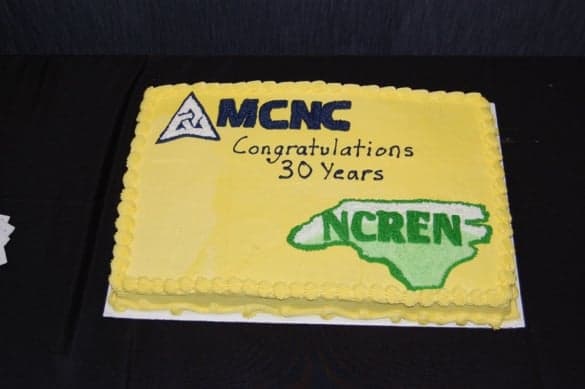
MCNC celebrates 30 years of NCREN. Jean Davis is named MCNC's first female president and CEO. NCREN also connects 13 North Carolina State Highway Patrol sites.
2015
MCNC completes upgrades to multiple 100Gbps network connections to Internet2.
2016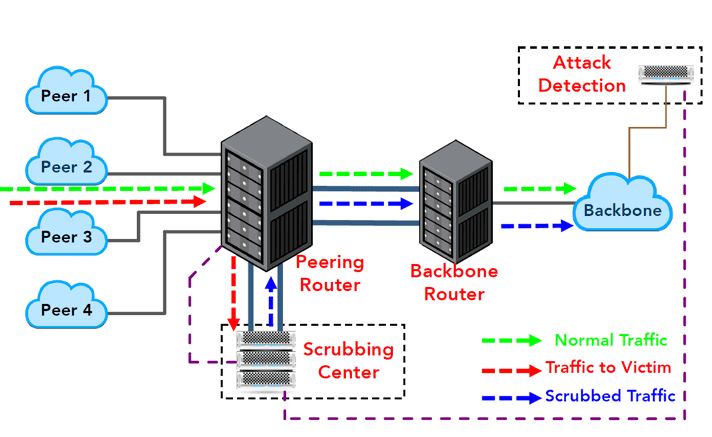
MCNC updates the NCREN backbone with advanced traffic routing capabilities and deploys multiple DDoS scrubbing centers across the network.
2017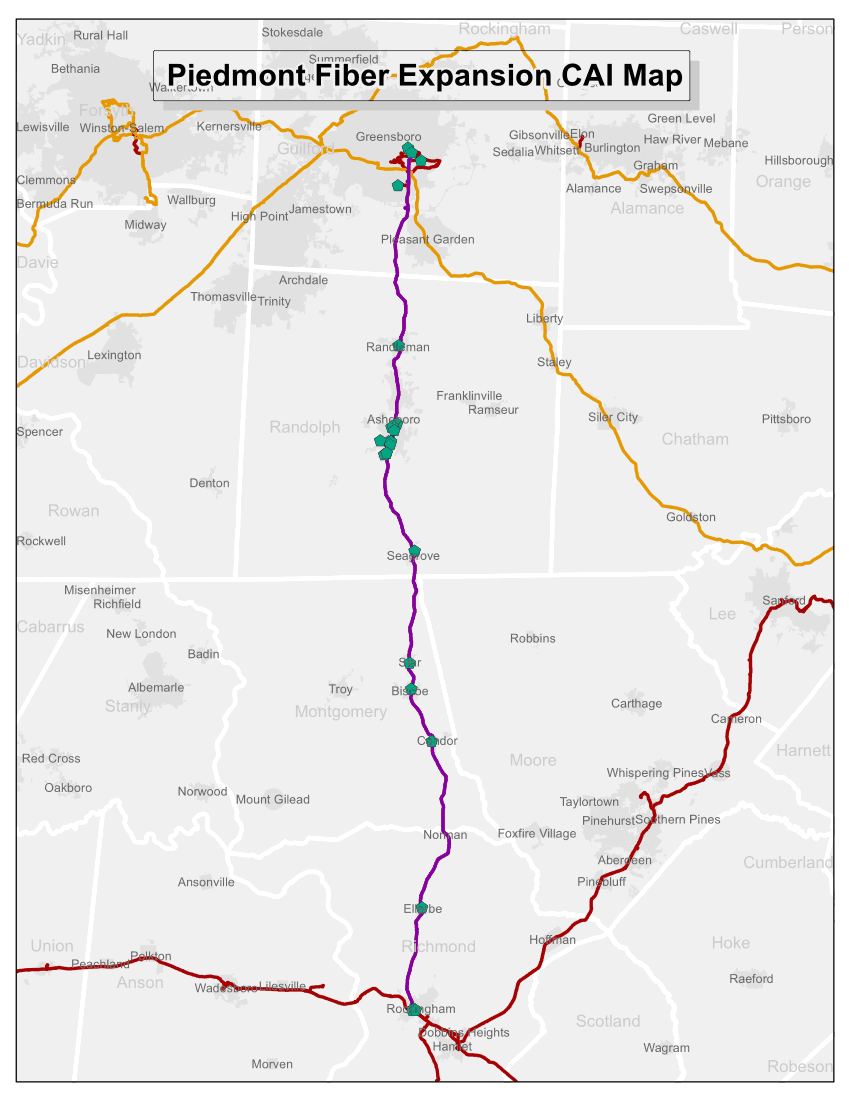
The Golden LEAF Piedmont Fiber Project expands MCNC's network along a 90-mile fiber route in the central region of the state, serving 22 community anchor institutions. MCNC's western data center at PARI also supports the region's historic total solar eclipse event.
2018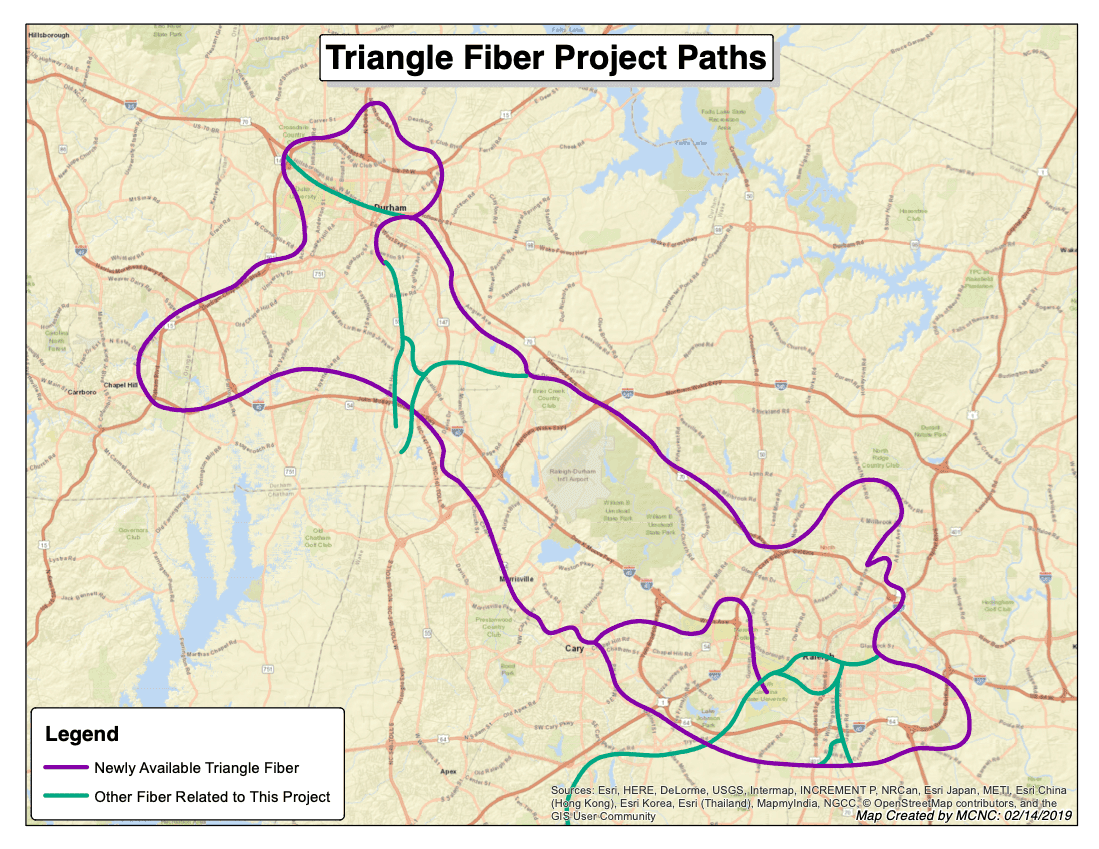
In partnership with Duke University, MCNC constructs more than 100 miles of new fiber in the Triangle area to support K-20 education and healthcare.
2019
MCNC celebrates 35 years of NCREN.
2020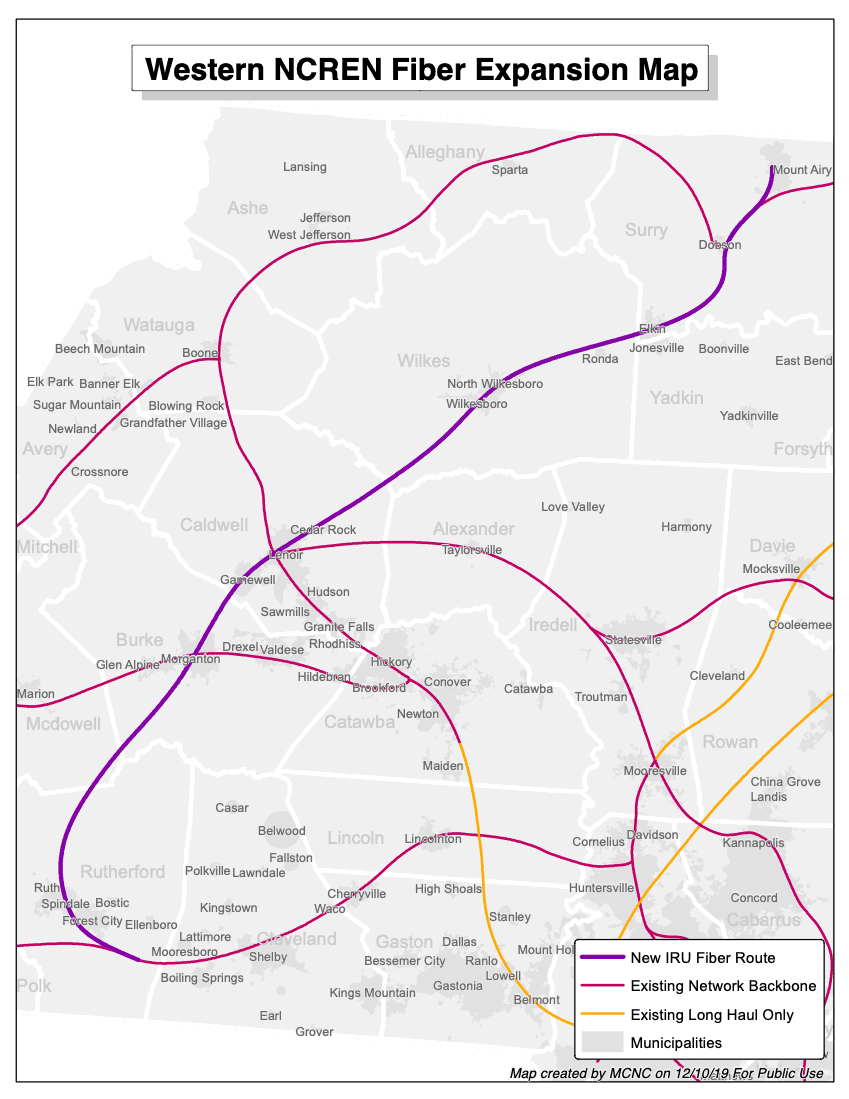
MCNC announces a collaboration with Facebook (now Meta) to bring high-speed broadband to nearly 30 community anchor institutions across western North Carolina. Tracy Doaks is named MCNC's ninth President and CEO.
2021
MCNC launches Vital Cyber, a dedicated cybersecurity practice to provide affordable, reliable cybersecurity solutions to North Carolina's community anchor institutions. MCNC and Meta expand their Western NC collaboration.
2022
MCNC collaborates with Davidson College, Duke University, and NCCU to create NCShare. Funded by two NSF grants totaling approximately $1.4 million and providing high-speed research network capacity and STEM support to minority-serving and mid-sized institutions across the state.
2023
MCNC is awarded over $11 million from the NTIA for the HERO (High Speed Economies for Rural Opportunity) Project, a 209-mile fiber expansion in Central and Southeastern North Carolina with additional support from the Golden LEAF Foundation.
2024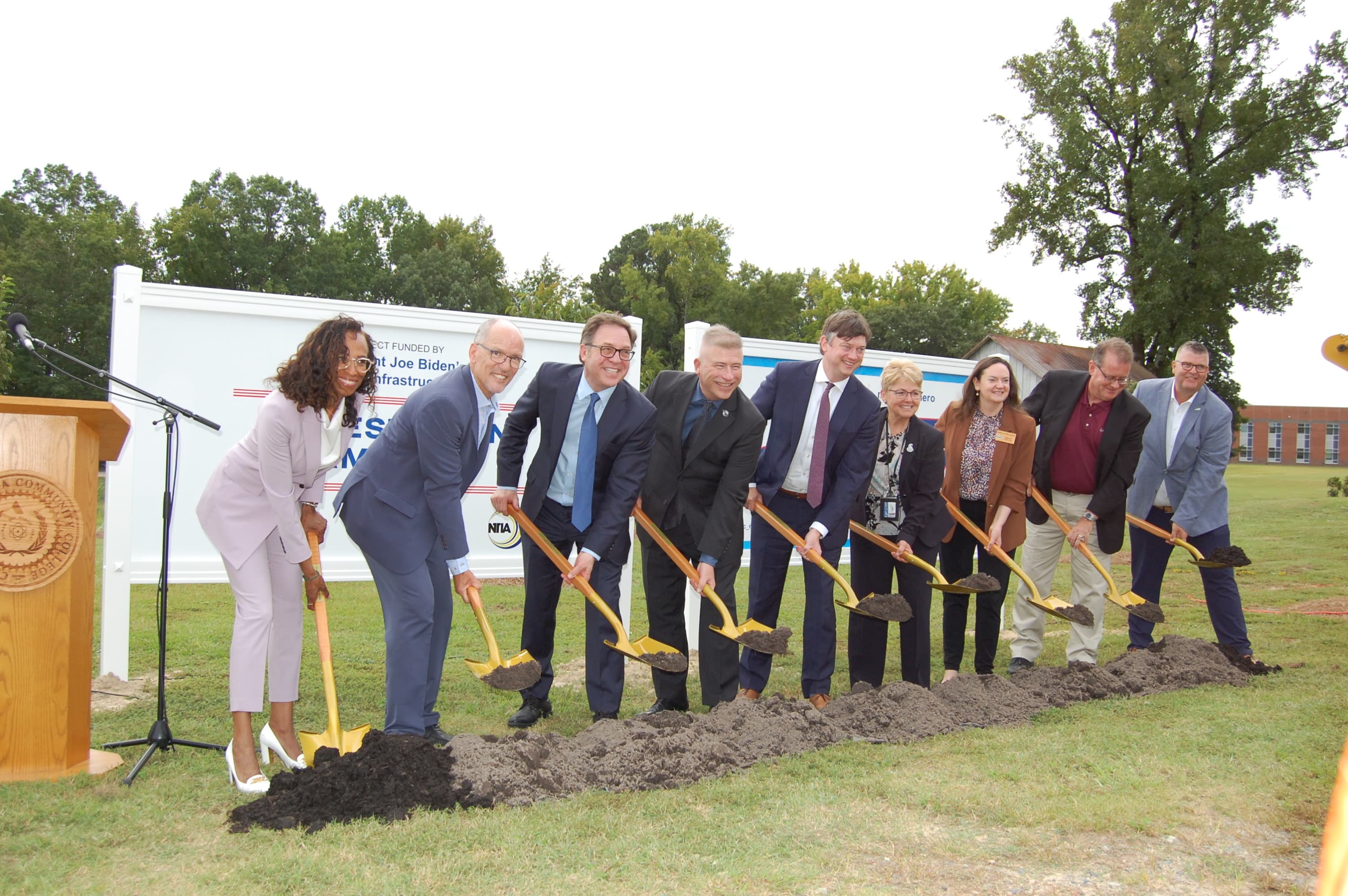
MCNC breaks ground on the HERO Project in Sanford, NC, beginning construction on a fiber expansion that will bring generational connectivity improvements to underserved communities across the region.